Festival Ear Protection
How loud live music really is, which earplugs protect your hearing without spoiling the sound, and when ringing ears need a doctor.
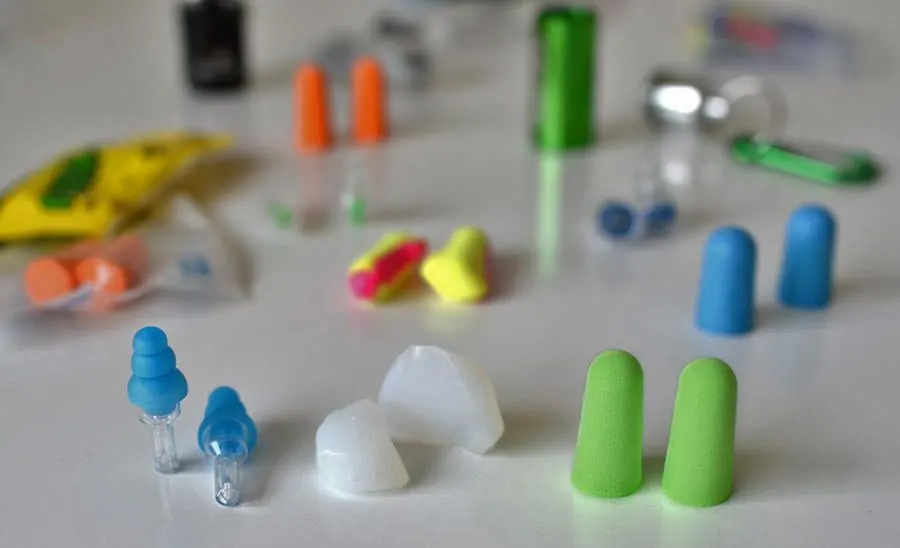
Earplugs designed for live music are the simplest way to protect your hearing at gigs: they lower the volume to a safer level without muffling the sound. Ringing ears after a show is a warning sign that the noise was loud enough to damage your hearing, not a badge of honour.
How loud gigs get
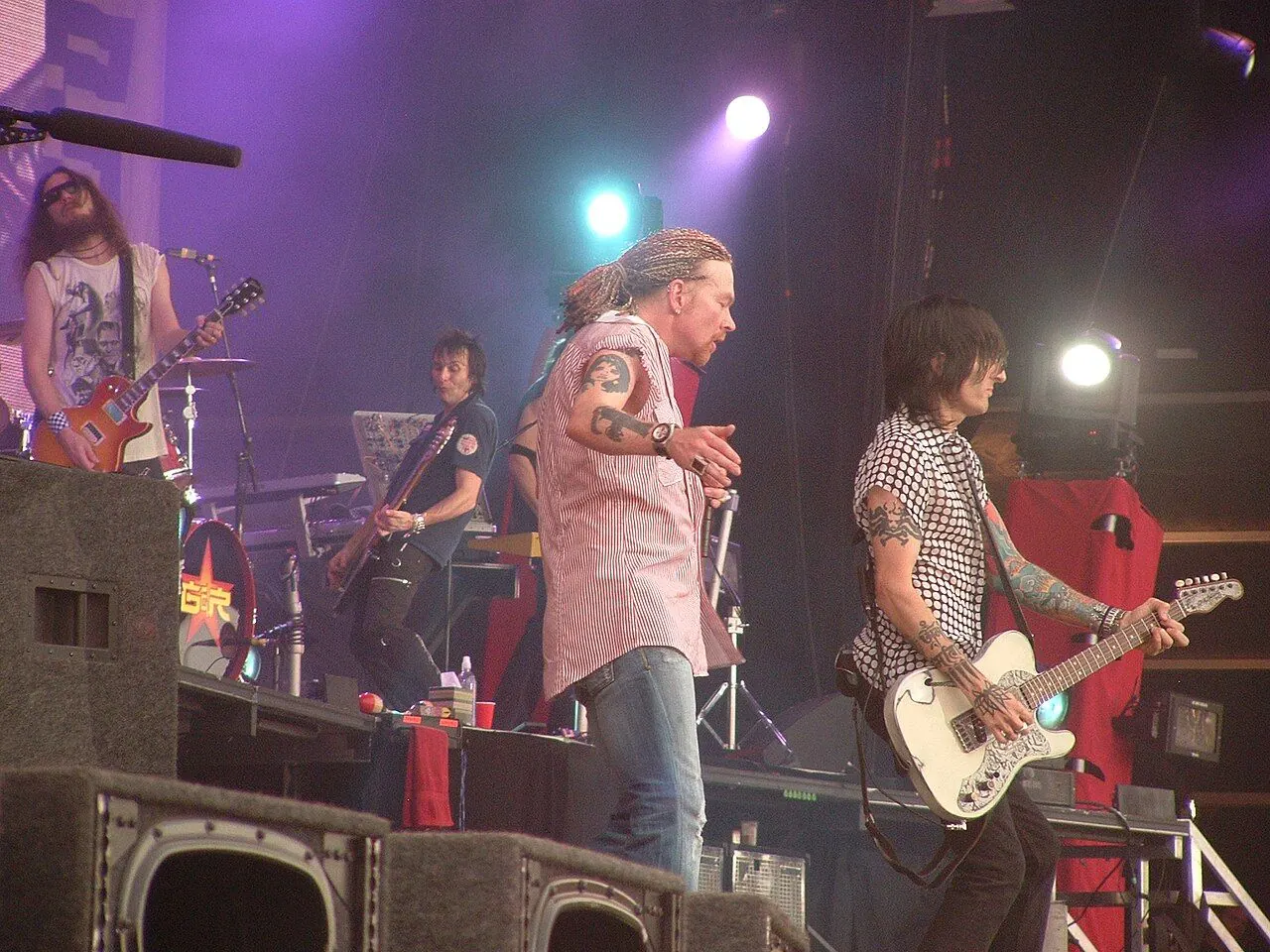
According to the hearing charity RNID, repeated or long exposure to sounds at 85 dB or above can cause hearing loss, and every 3 dB increase halves the time you can safely listen. Most clubs and live venues amplify music to around 100 dB or more, which RNID says can damage your ears after only 15 minutes without earplugs. A simple test: if you cannot talk to someone about two metres away without shouting, the noise is likely loud enough to be harmful.
Under the UK's Control of Noise at Work Regulations 2005, employers must make hearing protection available to workers exposed to 80 dB(A) and make sure it is used at 85 dB(A). Those rules cover staff rather than audiences, but they show how low the danger threshold sits compared with a typical gig.
What to wear and where to stand
Musicians' earplugs, also sold as music or filtered earplugs, use filters to reduce the volume while keeping the sound clear, which RNID says makes them much better than the foam kind for music. Foam earplugs still help, and most festivals, gigs and clubs offer them free if you ask at the bar or an information point. Children need protection too: Berkshire Healthcare NHS Foundation Trust notes that their smaller ear canals can amplify sound slightly more at the eardrum, and advises bringing earplugs or ear defenders to festivals.
Standing close to the stage increases your risk, because the closer you are to the loudspeakers, the higher the sound level, and even short bursts of loud noise can cause damage. RNID advises avoiding the speakers and taking regular breaks from the loudest areas, around five minutes for every hour.
Ringing ears and when to get help
It is common to have ringing in your ears, known as tinnitus, after a loud concert or night out. RNID says it often goes away after a day or two, but it is a sign the noise was loud enough to harm your hearing, and repeated exposure can lead to permanent hearing loss or tinnitus.
The NHS advises seeing a GP if you have tinnitus regularly or constantly, if it is getting worse, or if it affects your sleep, concentration or mood. Ask for an urgent GP appointment or contact NHS 111 if you suddenly lose hearing in one or both ears. Call 999 or go to A&E if tinnitus comes with sudden hearing loss, weakness in the face or a spinning feeling (vertigo).
If you are a regular gig-goer, carry a pair of reusable music earplugs, step away from the speakers when you can, and give your ears a break every hour.