UK Ticket Resale Rules
Reselling a gig ticket is legal in the UK, but the listing must carry set information and the organiser's original terms still decide a great deal.
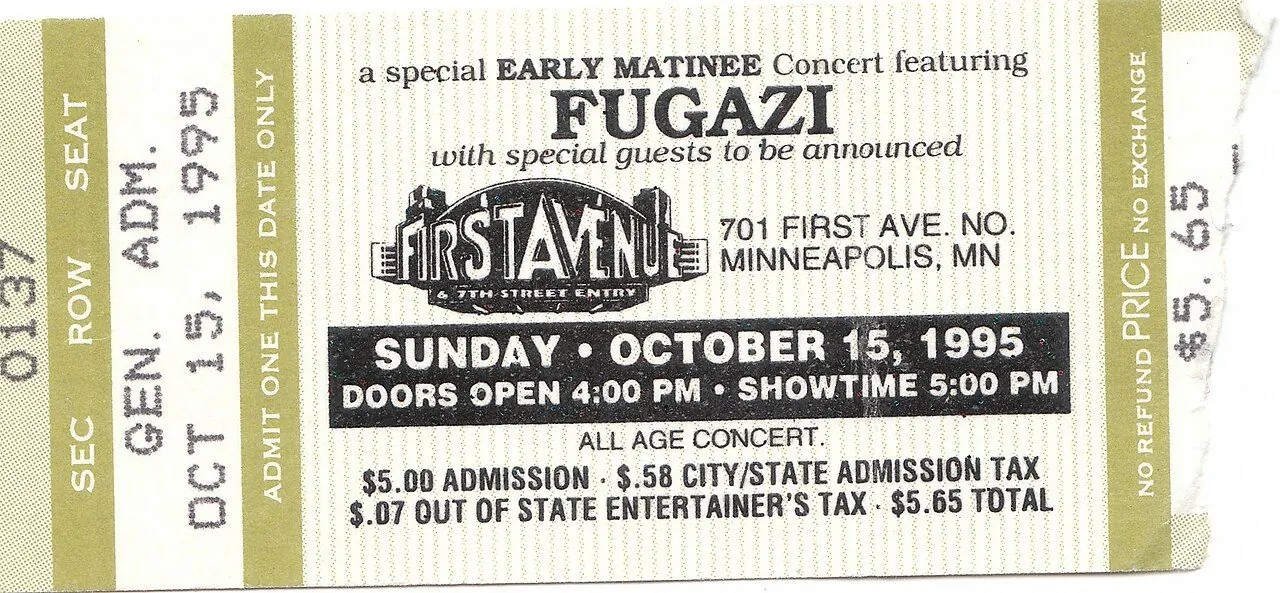
Gig tickets can be resold in the UK, but the listing must give the buyer certain legal information, and the original ticket terms can limit or ban resale. The rules are changing, so check gov.uk and the Competition and Markets Authority (CMA) for the current position before selling.
The Consumer Rights Act 2015 introduced measures aimed at protecting buyers on the secondary market, where tickets first bought from the organiser or another primary seller are resold online. These rules came into force in May 2015 and cover tickets for recreational, sporting and cultural events in the UK.
What a legal resale listing must show
Under section 90 of the Act, the seller and the platform carrying the listing must give the buyer the ticket's face value, the information needed to identify the seat or standing area, and any restriction that limits use of the ticket to particular people. If the seller is connected with the platform or the event organiser, the listing must say so. Government guidance makes clear the rules cover online platforms through which tickets are resold, including social media.
When resale can still go wrong
Tickets cannot always be resold. Section 91 of the Act stops an organiser cancelling a ticket or blacklisting a seller just because the ticket was resold, unless the original terms said so clearly and those terms are not unfair. So where the original terms fairly ban resale, a ticket bought second-hand can be cancelled or refused at the door. Section 92 adds a duty on platforms that become aware of ticket-related criminal offences to tell the police and the event organiser.
Some tickets are issued in the buyer's name or as mobile tickets linked to an account. The event terms say whether they can be passed on, often only through the original seller's own transfer or resale system.
Bots are a separate issue. Regulations made under the Digital Economy Act 2017 made it a criminal offence to use software to buy more tickets than the permitted limit with a view to financial gain.
Selling safely and checking a listing
For a seller, the safest route is the resale or exchange offered by the original seller, or a face-value fan-to-fan platform the organiser allows, such as Twickets. For a buyer, a genuine listing shows the face value, the seat or standing area and any restrictions; STAR and Report Fraud (formerly Action Fraud) also advise paying by credit card or a payment service such as PayPal rather than by bank transfer.
The government has announced plans to make reselling above face value illegal and to cap resale platform fees. These changes need new legislation, so check gov.uk to see whether they apply yet.
Before buying or selling any resold ticket, confirm three things on official pages: the listing carries the legal information, the platform allows the sale, and the organiser's original terms permit resale for that event.