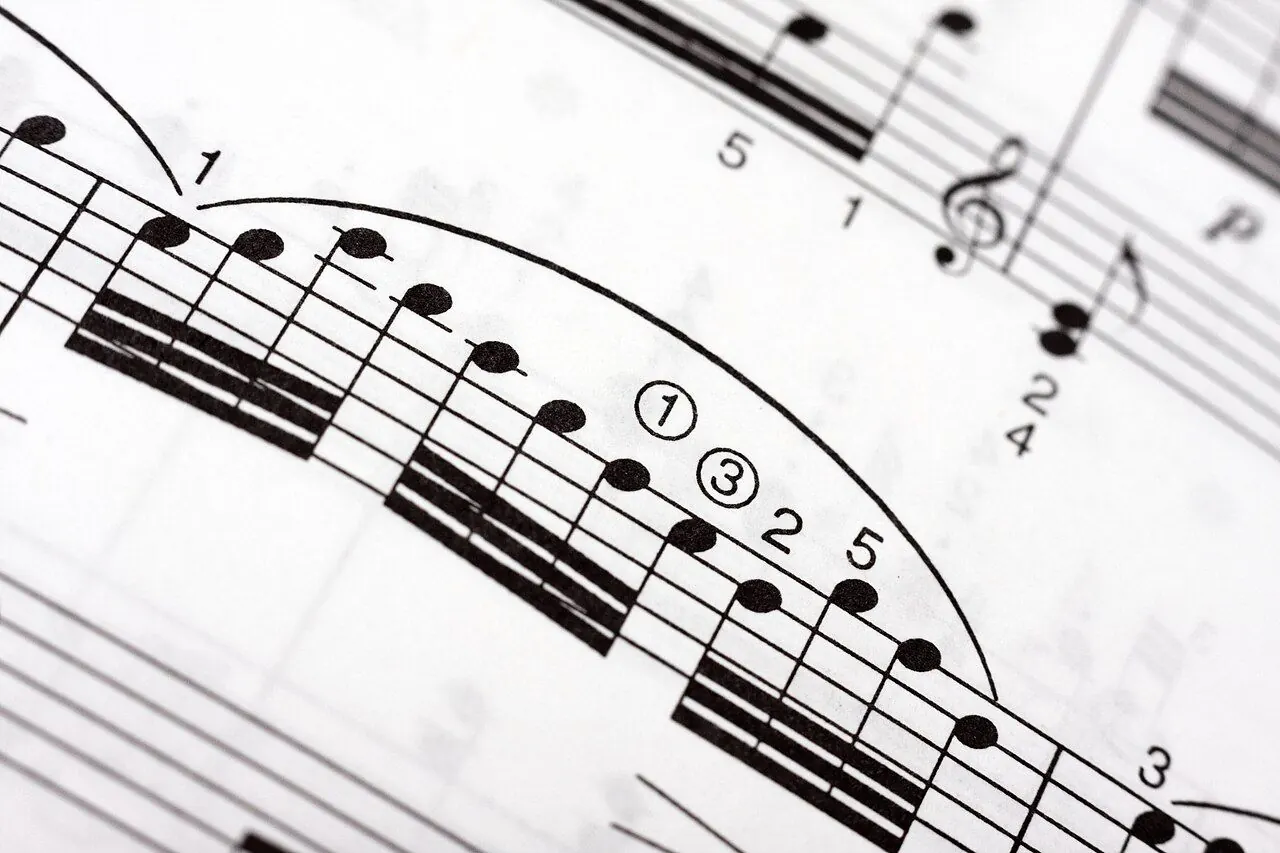
How to Read Music
From Every Good Boy to crotchets and key signatures, the building blocks of written music explained in plain British terms.
Everything published on LMHR, newest first: guides and explainers from the desk and clearly labelled partner material.
From Every Good Boy to crotchets and key signatures, the building blocks of written music explained in plain British terms.

One is rare and hard to acquire, the other can be trained by anyone. Why relative pitch deserves most of a musician's ear-training time.

A keyboard, a relaxed voice and a few minutes are all it takes to map your range and choose songs that suit you.

From sore fingertips to barre chords, a realistic guide to the milestones every adult beginner passes on the way to playing songs.

Two boards, the same Grade 8 and the same UCAS points, but very different exam days. Here is how to pick the right one.

From Bow's pirate radio stations to number one albums, the story of grime and the sounds that set it apart from drill and hip-hop.

How breakbeat hardcore and jungle became drum and bass, the drum break behind it, and the artists and labels that shaped the sound.

How London DJs and producers turned American garage house into a shuffling, bass-heavy British sound that reached the charts and shaped grime and dubstep.

The kit, software and core mixing skills a beginner needs, plus where to get music legally and how to land a first gig.

How loud live music really is, which earplugs protect your hearing without spoiling the sound, and when ringing ears need a doctor.

Where the UK's established dance and electronic festivals take place, what each is known for, and the age rules to check before buying.

Where and when the UK's long-running rock and metal festivals usually happen, and what kind of heavy music each one is known for.

From free photo registration to the spring resale, the Glastonbury ticket system rewards fans who prepare early and stick to the official seller.

Atmosphere, sightlines, comfort and venue rules all shape the choice between a standing ticket and a seat at an arena or theatre gig.

Doors, support acts and curfews decide when the main act walks on, so the time printed on the ticket is only where the night begins.

A ticket price that climbs while fans queue is not always dynamic pricing, and knowing the difference helps buyers judge what they are paying.
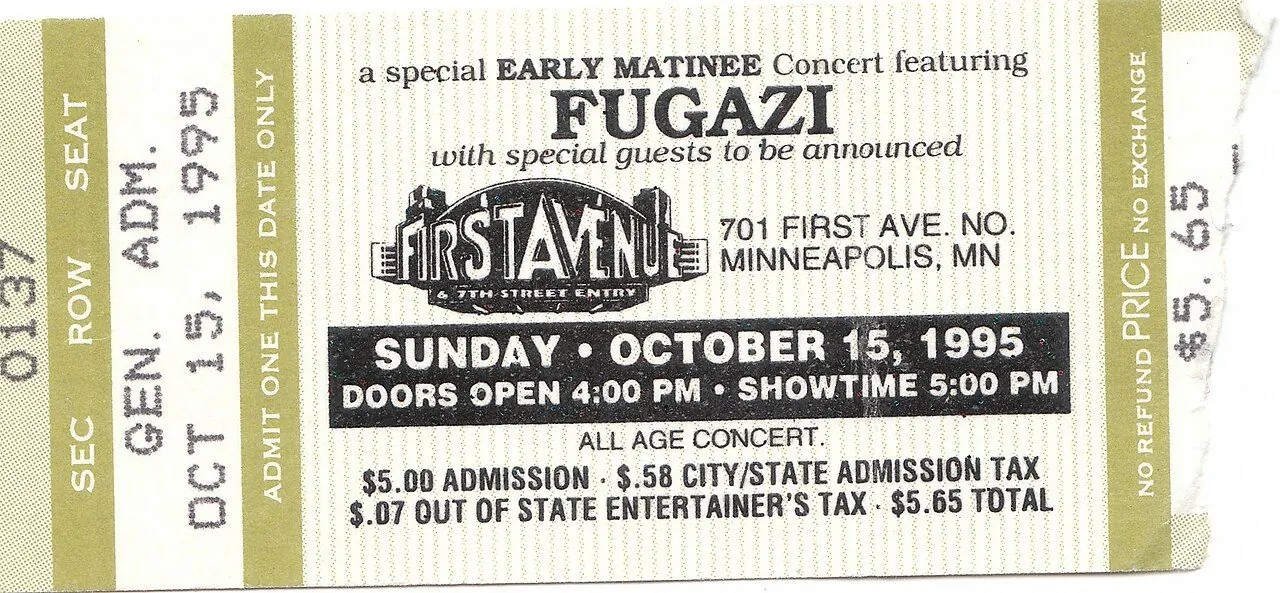
Reselling a gig ticket is legal in the UK, but the listing must carry set information and the organiser's original terms still decide a great deal.

Official exchanges, face-value resale and late releases give fans a real chance at a sold-out show without paying touts or falling for ticket scams.