What Is UK Garage?
How London DJs and producers turned American garage house into a shuffling, bass-heavy British sound that reached the charts and shaped grime and dubstep.
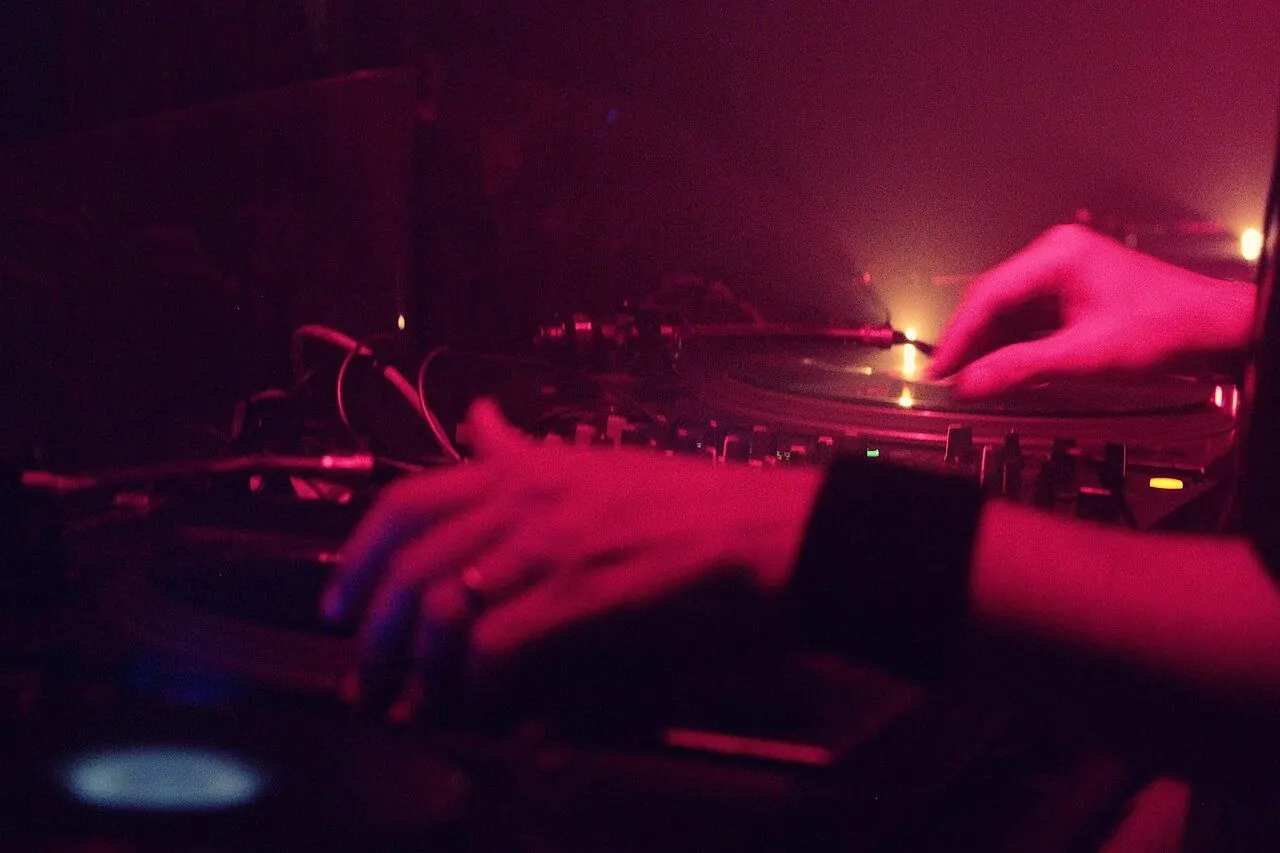
UK garage is a British dance music genre that grew up in London in the mid-1990s, taking American garage house and turning it into a faster, shuffling sound with skipping drums, heavy basslines and MCs. It moved from pirate radio and Sunday sessions into the UK charts around the turn of the millennium, then fed directly into grime and dubstep.
How it began
UK garage is directly rooted in an imported sound. London DJs in the early and mid-1990s played American garage records, then British producers began making their own versions with a harder, more British feel, drawing on the bass weight of jungle and drum and bass.
Pirate radio was central to the scene. Stations such as London Underground and Freek FM gave the DJs airtime, and the scene grew around Sunday sessions and after-parties. A key venue was the Frog and Nightgown, a pub on the Old Kent Road in south-east London, whose Sunday afternoon gatherings are widely credited with shaping the early sound.
Speed garage, 2-step and the charts
By the mid-to-late 1990s, speed garage had pushed the tempo up and added booming, bass-heavy drops. 2-step then took the genre's syncopated swing further: instead of a kick drum on every beat, the rhythm skips and shuffles, with syncopated hi-hats and snares leaving space for vocals.
In a matter of years, the sound went from underground clubs to the top of the charts. Shanks & Bigfoot's "Sweet Like Chocolate" reached number 1, Artful Dodger's "Re-Rewind (The Crowd Say Bo Selecta)", with Craig David on vocals, reached number 2, and Craig David's debut solo single "Fill Me In" went straight in at number 1. MJ Cole's "Sincere", a pirate-radio favourite, was one of the earliest garage records to break into the top 40. So Solid Crew, a large south London collective of MCs and producers, took "21 Seconds" to number 1, pushing the MC to the front of the sound.
Legacy: grime, dubstep and revivals
As the mainstream moved on in the early 2000s, the underground took garage somewhere darker. Grime grew out of UK garage in London, with MCs taking over from singers and the beats becoming harsher and sparser. Dubstep emerged in south London from the darker end of 2-step, stripping the rhythm back and adding the weight of dub.
The original sound has never fully gone away. Garage classics remain dance-floor staples, and new generations of producers keep returning to its shuffling rhythms and chopped vocals. To hear what made it special, start with the chart hits above, then look for classic pirate radio sets and mixes from the Sunday scene.