How to Start DJing
The kit, software and core mixing skills a beginner needs, plus where to get music legally and how to land a first gig.
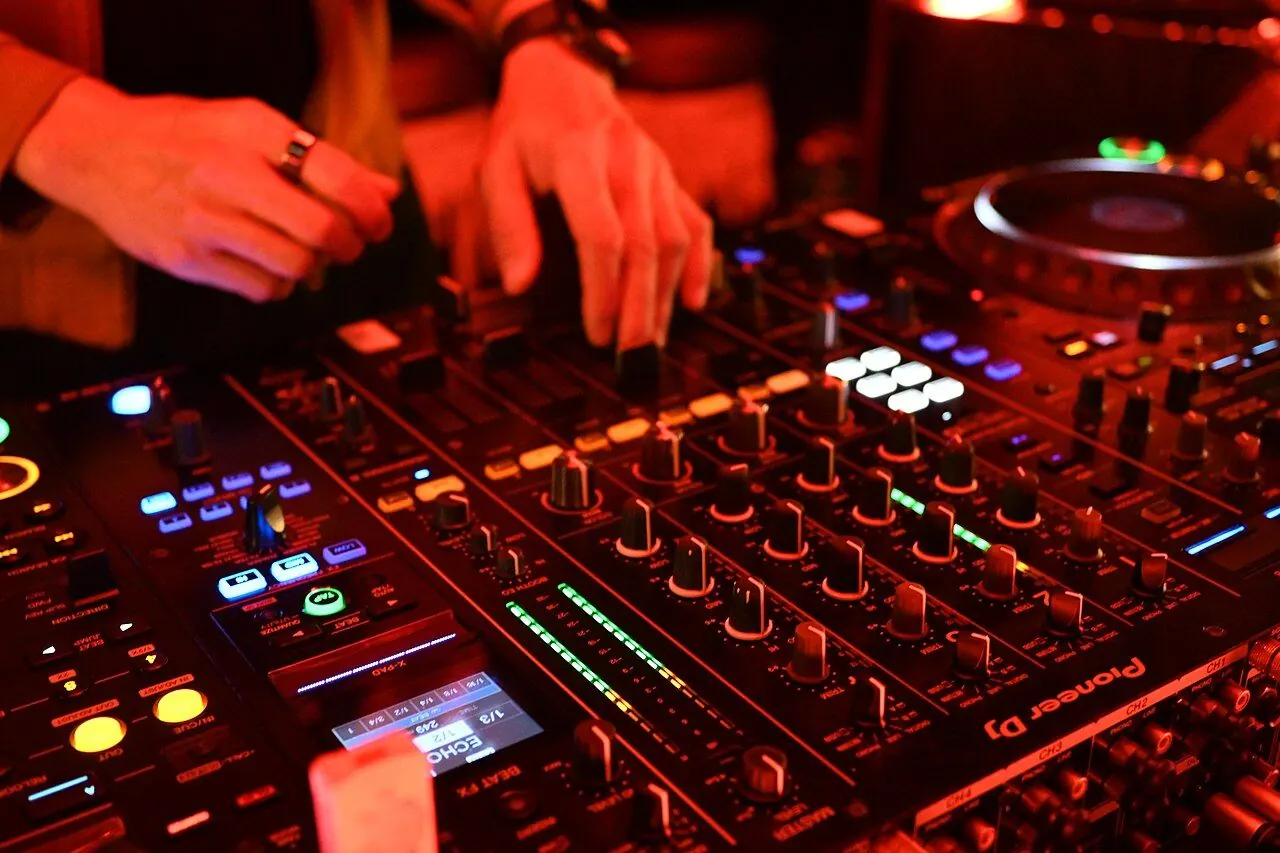
You can start learning to DJ at home with a controller, a laptop, DJ software and a decent pair of headphones. Focus first on building your music collection and learning the core skills: your first gig will depend on how solid your mixing and track selection are, not how expensive your gear looks.
What you need to start
To DJ, you need a music source, a way to choose and play tracks, and a sound system. At home, that means choosing between a DJ controller, CDJ-style media players or vinyl turntables, plus DJ software, headphones and speakers.
DJ controllers are the easiest choice for beginners because they usually come as one unit with jogwheels, faders and buttons for playback, effects and EQ, and they plug into a laptop running the software. CDJs and turntables are what many clubs install, but a full setup costs far more and takes more space. The main software options are rekordbox from AlphaTheta, Serato DJ and Traktor from Native Instruments. rekordbox and Serato both have free versions, and not every controller works with every program, so check compatibility on the software maker's official site before you buy.
Headphones let you preview and cue the next track while the crowd hears the current one, and a pair of speakers or monitors lets you hear your mix properly. Keep the volume in both at a sensible level and take breaks, because hours of loud practice can damage your hearing.
Core skills: beatmatching, phrasing and EQ
The key skill is beatmatching: adjusting the tempo of the next track so its beats line up with the one playing, then bringing it in on the beat. Software sync buttons can do this for you, but learning to do it by ear with the headphones teaches you to catch and fix drift. Phrasing matters as much: most dance tracks are built in blocks of 8, 16 and 32 beats, so start a transition at the beginning of a phrase and changes will land where the crowd expects them.
For the transition itself, the simplest technique is to use the EQ: bring the next track in with its bass turned down, then swap the basslines over so two kick drums and basslines never fight each other. Record your practice mixes and listen back; mistakes you miss while playing are obvious on a recording.
Getting music and your first gigs
Build your collection legally. Buy tracks from download stores, or use a streaming service that integrates with your DJ software; which services are supported varies by program and changes over time, and streamed tracks come with restrictions, such as no recording, so check the software's official list. A personal music-streaming account is not a licence to play music in public. In the UK, playing recorded music in public, including in DJ sets, needs a licence from PPL PRS, TheMusicLicence; in most bars and clubs the venue holds it, so ask before you play anywhere informal.
Once you can hold a mix together, look for open-deck nights, friends' parties and small local bars. Arrive early, learn the venue's equipment, bring your music on a USB stick as well as your laptop, and read the room rather than playing only what you like. Venues rebook DJs who keep people dancing, so reliability and good track selection count for more than technical tricks.