Find Your Vocal Range
A keyboard, a relaxed voice and a few minutes are all it takes to map your range and choose songs that suit you.

To find your vocal range, warm up, then use a piano or keyboard app to find the lowest and highest notes you can sing comfortably, without strain, and write them down as note names such as A2 or C5. Your voice type then depends on where that range sits, and on the tone and comfort zone of your voice, not on range alone.
Finding your lowest and highest notes
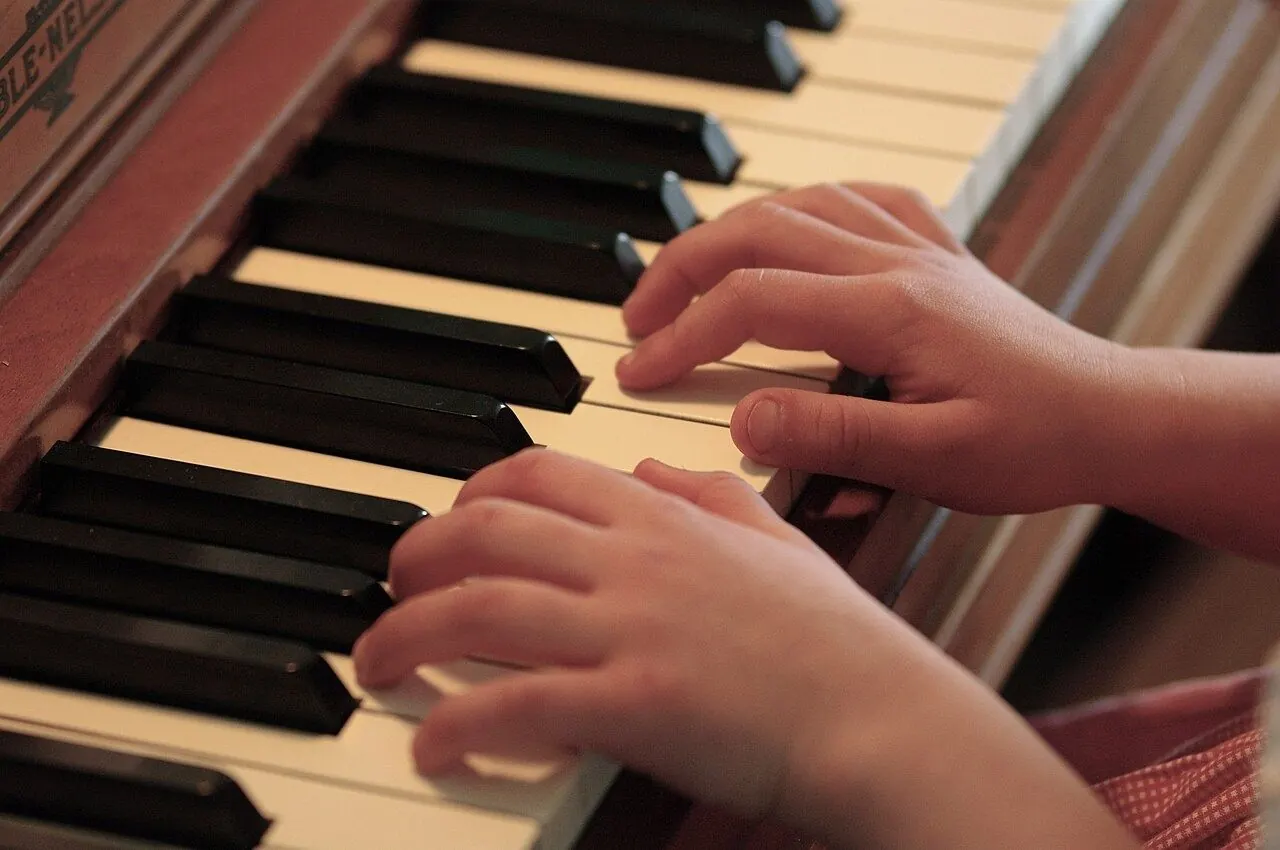
Finding the most comfortable top and bottom notes is the heart of the method. Start on a note that feels easy in the middle of your speaking voice and sing a relaxed "ah" or "oo" while playing the same note on a piano or keyboard app. Move down one note at a time until your voice becomes weak, breathy or croaky; the last clear note is your lowest comfortable note. Return to the middle and step upwards in the same way, stopping as soon as you feel yourself pushing. A tuner app that displays the note you are singing does the same job if there is no keyboard to hand.
Notating ranges using individual note names like A4 or G3 is called scientific pitch notation. Each letter is followed by a number that shows which octave it belongs to, and middle C, which sits between the bass and treble staves, is C4. Some older books use the Helmholtz system instead, where middle C is written c′. Test on more than one day, because a tired voice or a cold can shift the result by a few notes.
Voice types and typical ranges
As for voice types, most sources give approximate ranges like these, though the exact figures vary from source to source:
| Voice type | Typical range |
|---|---|
| Soprano | C4 to C6 |
| Mezzo-soprano | A3 to A5 |
| Alto (contralto) | F3 to E5 |
| Tenor | C3 to C5 |
| Baritone | A2 to A4 |
| Bass | E2 to E4 |
It is vital to know that these are indicative guidelines, not rules. Vocal range isn't the same as voice type: singing teachers classify a voice by its range together with its weight, timbre, tessitura (the area where it sits most comfortably) and the points where it changes register. A soprano and a mezzo-soprano can often reach the same notes, and it is the colour of the voice and where it feels at home that tells them apart. Those register changes are part of the picture too. Chest voice is the lower register most people speak in, with a warmer, darker sound; head voice is the higher register, with a lighter, ringing tone that singers often feel vibrating in the head. The place where the voice shifts from one to the other is called the passaggio, and noticing where yours falls is useful information when choosing songs.
Warming up and avoiding strain
Warm up your voice before you test it. NHS voice-care guidance from West Suffolk NHS Foundation Trust lists singing without a full voice warm-up among the things to avoid, and advises using an "easy, relaxed" voice without extra effort or strain. Release any tension in your neck and shoulders, breathe gently, and hum quietly before singing. Exercises published by Cambridge University Hospitals start at a low pitch and gently glide to a higher one and back, and are best done little and often.
Shouting and screaming can damage the voice, as the same West Suffolk guidance notes, and pushing for an extra note at the top of your range is a form of strain. If a note hurts, scratches or leaves you hoarse, it is not part of your usable range. Choose songs that sit mostly in the comfortable middle of what you have found, and if hoarseness lasts, stop singing and seek advice from a GP.
Sources checked
- singwise.com/articles/understanding-vocal-range-vocal-registers-and-voice-type-a-glossary-of-vocal-terms
- muted.io/vocal-ranges
- wsh.nhs.uk/CMS-Documents/Patient-leaflets/SpeechandLanguageTherapyServices/6432-1-Voice-education-and-care.pdf
- cuh.nhs.uk/patient-information/semi-occluded-vocal-tract-exercises